Who Bears the Cost of Campus Cleanliness?
By Dylan Xie & Bradon Koo May 20,2026
A lot of unnecessary cleaning and repair costs come from students damaging property or leaving messes behind. The most frustrating situations are when bathrooms have to be closed because student behavior affects everyone else trying to use them. One time, I even saw a toilet filled with apples in one of the restrooms.” - Senior John Han.
“Many students assume that the custodians will handle everything, which is why food wrappers, bottles and paper get left around lunch areas and across hallways. Adding more visible trash cans and recycling bins in busy areas, along with signs encouraging students to clean up after themselves, would help reduce littering and improve cleanliness across the school.” - Sophomore Pranav Tripathi.
“Dirty spaces can influence how students treat the campus because when areas are already messy, students likely feel less motivated to clean up after themselves. A cleaner campus will improve school spirit and encourage students to take greater pride in their school,” - Sophomore Tara Sundaralingham.
“Restrooms are definitely thedirtiest part of campus; the floors are often unsanitary and toilets are frequently clogged, causing me to avoid using school restrooms when possible. Students should be more considerate of shared spaces and clean up after themselves, instead of leaving the mess to the janitors. Staff should also impose more consequences on those who purposefully ruin the bathrooms.”- Freshman Isaac Wang.
Trash cans overturned, bathrooms vandalized and half-eaten food abandoned across the ground. Common at school, these scenes reflect a decline in the collective sense of responsibility to keep the school clean. And custodians are bearing the brunt of this additional work. Maintaining campus cleanliness requires cooperation between students and staff alike, yet it seems frustratingly inconsistent.
From when they arrive on campus at 5:30 a.m. to when they sign off at 4:30 p.m., the custodians replace broken tools and bathroom supplies while disposing of trash and unexpected messes left by students. The long hours are only manageable through a division of labor between different custodians and groundskeepers to keep the school tidy.
"It can take around 45 minutes to clean up the quad after lunch. During the 1990s, it would take two hours due to only two groundkeepers, but now, we have four custodians, who handle cleaning requests from the office and restock supplies, and the groundskeepers, who clear the storm drains, mow the grass and clean the sports fields,” Groundskeeper Jerry Garza said.
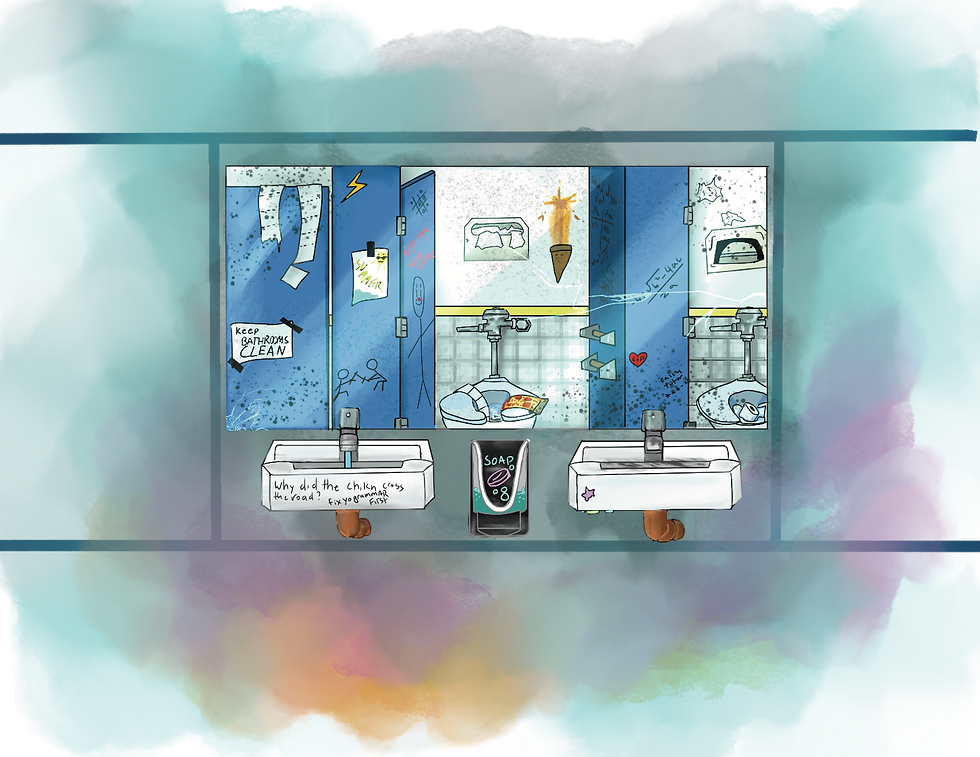
Even so, the custodians and groundskeepers work within tight time windows to carry out physically grueling tasks—lifting heavy trash bags, standing for hours monitoring facilities and clearing large areas such as the quad and fields. Owther areas with little supervision and heavy traffic, especially bathrooms, require frequent attention, with each checked approximately every 30 minutes to an hour due to repeated misuse. Incidents such as clogged toilets, flooded bathrooms and food left in sinks or stalls require immediate attention, delaying the custodians’ planned routine. Inconsiderate student behavior not only aggravates the work but also increases financial costs—the school must pay custodial staff, purchase cleaning products and maintain equipment such as vacuums. When students damage facilities, repair costs take away resources that could be used elsewhere.
“Normally, our budget is broken down into two categories: repairs and routine cleaning. When students waste materials, they are taking more out of the school budget because we must fix broken equipment and replace materials. Vandalism often incurs the highest cost,” Head Custodian Miguel Meija- Martin said.
“Bathrooms require more frequent attention; one bathroom is checked approximately every 30 minutes to an hour due to repeated misuse. Incidents such as clogged toilets, flooded bathrooms and food left in sinks or stalls create additional work for us and require immediate attention, affecting our planned daily routine,” Garza said.
Students are also affected by the conditions of the campus. Unsanitary bathrooms can deter students from using the facilities during the day, with many choosing to wait until they get home.
“The overall conditions of the bathrooms, including fluids on the floor, toilet paper around stalls and broken toilet seats discourage me from using them. I prefer using the C-wing bathrooms because they are cleaner and more spacious,” Senior Isaac Icaza said.
While most students recognize the dirty spaces, most do not view it as their responsibility to help address the problem. Littered outdoor areas can diminish school pride and create a negative cycle of leaving trash behind.
“The campus becomes noticeably dirty after lunch, which reflects a broader harmful attitude that school cleanliness is always someone else’s problem. When that attitude is shared by hundreds of students, trash piles up and adds more work for the custodians every day,” Sophomore Anthony Dung said.

Assistant Administrator Karen Gordon and other faculty have supported efforts to prevent vandalism and littering by introducing consequences, such as detention. Although some students contribute to campus cleanliness through organized efforts, broader student-led programs or initiatives remain limited. For instance, ASB members are encouraged to spend the last five minutes of lunch picking up trash around campus.
“As members of ASB, we help pick up trash to set a good example for our classmates. It shows responsibility and respect in keeping our school clean as values we hope to foster on campus. Yet, these standards are only meaningful if consistently enforced across the entire student body,” Sophomore Angel Castelo said.
Maintaining a clean campus is not the responsibility of custodians alone, but rather a collective effort that reflects the strength of the school community. Student groups can assist efforts, such as clean-up campaigns, to promote campus- wide engagement. Administrators can enforce policies that reduce trash and vandalism; teachers may actively encourage habits in the classroom by having students pick up trash and organize supplies before leaving. Recognizing custodians for their dedication through appreciation events may increase student morale and the school’s collective gratitude. Without each group doing its part, the burden falls unevenly on the custodians. By working together to keep the campus clean, custodians, students and staff create a more welcoming environment.
About the Contributors

Dylan Xie
staff writer
Dylan Xie is a sophomore at Leland High School and a staff writer for The Charger Account. In his spare time, he likes to play soccer, work out, and hang out with friends.

Brandon Koo
staff writer
Brandon Koo is a sophomore at Leland High School and a staff writer for The Charger Account. He can be found on the tennis courts practicing, working out, or listening to R&B in his room. Brandon also enjoys going on sunset walks or taking bike rides on the hills.

Juliana Shin
artist
Juliana Shin is a sophomore at Leland High School and an Artist for The Charger Account. In her free time, she admits to doom scrolling on Pinterest for drawing references or playing with dog, Simba. During other times, she prefers to sleep in and watch horror movies with her mom.


Comments