Gen Z Goes Retro
By Caleb Love Sep. 23, 2026

Scrolling through Spotify, a high school student taps play on a song that came out in the 1980s—decades before he was born. While the song offers immediate relaxation, it also evokes a profound sense of longing for an era he never experienced.
Across social media and youth culture, this phenomenon is increasingly known as ”borrowed nostalgia”—a psychological shift where younger generations feel emotionally connected to the music, fashion and media from eras they never lived through. While it might appear as a trend on the surface, borrowed nostalgia can be a form of escape for teens from the digital world and the constant attention it demands.
According to Medium, borrowed nostalgia represents a search for authenticity in a hyper-digital world. Driven by digital fatigue and sensory overload, teens are seeking tactile and social experiences rather than just superficial aesthetics. As a result, vintage physical items, like cassette tapes and wired headphones, have seen a surge in popularity. Cassette tape sales have increased 443% from 2015 to 2022, per AARP. While teenagers purchasing these products appreciate retro aesthetics, the movement extends beyond mere visual appeal into an act of romanticized escapism. The perceived peace and authenticity of the past—though impossible to fully recreate— offers a sanctuary from modern digital life.
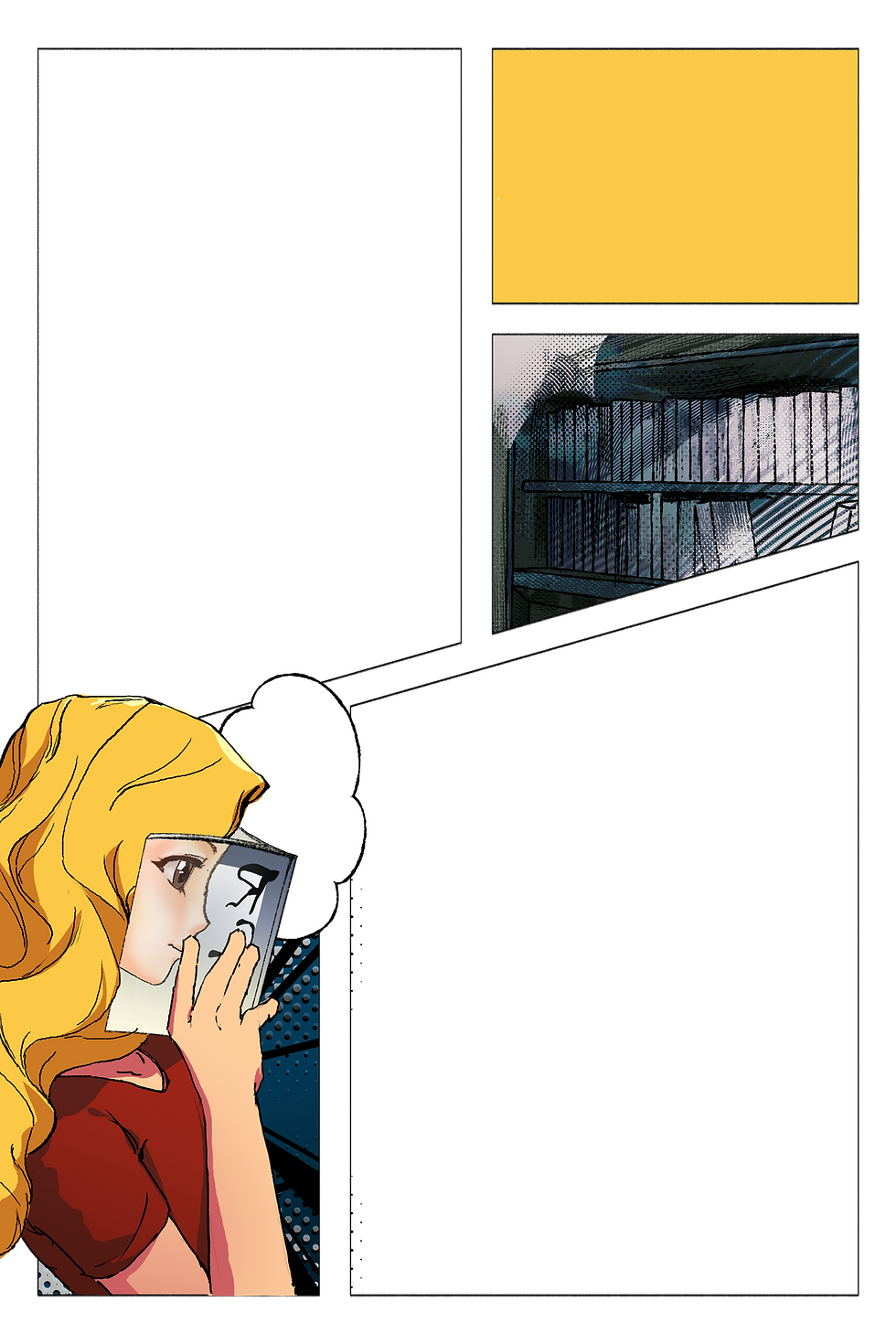
“I like watching 2000s shows and reading books set in a different time. I enjoy romanticizing those times and imagining that they were easier,” Senior Trisha Harish said.
Having lived through the pandemic, younger audiences often view the pre-digital past as a safer, simpler era. Because the 1980s lacked modern pervasive technology, it is easily idealized as an era with fewer social complexities. Without the constant pressure of instant messaging or digital connectivity, communication was largely face-to-face. Recognizing this emotional shift, major brands like Levi’s frequently weave nostalgic elements into their advertising to build emotional connections with consumers, Women’s Wear Daily stated.
Not just clothing businesses are pushing nostalgia—the entertainment sector is heavily fueling retro appeal as well. Popular television series such as “Stranger Things” introduced audiences to music and clothing from the 1980s, while classic sitcoms like “Friends” have captured a new generation on streaming platforms.
“Film and shows definitely glorify the 80s as being a cool and artistic era. I also think that film exaggerates how good things were in older eras,” Junior Aidan Mansouri said.
According to Yale Daily News, Doja Cat’s 2020 hit song “Say So”—which heavily samples 1970s funk and disco elements—exemplifies how modern artists are incorporating legacy sounds to introduce younger listeners to classic genres. Music artists are profiting greatly off of this practice, especially as TV shows drive renewed viewer interest in older genres of music. As reported by Shout Out UK, young people primarily experience history through the lens of social media, which often presents an idealized vision of past eras. Influencers play a part in this, as they showcase vintage clothing and retro tracks to millions of followers, pushing the trend further. Teens are looking for comfort, and they are being offered it with romanticization and repackaged memories.
Borrowed nostalgia highlights the unique way Gen Z leverages technology to engage with history. Combined with unprecedented access to historical media archives and a growing fatigue with modern tech dependence, these conditions have created a desire for more authentic times. While nostalgia is prevalent in every generation, Gen Z’s unique ability to engage with the past through mediums like the internet has created a new form of the feeling.
About the Contributors

Caleb Love
Staff Writer
Caleb Love is a freshman at Leland High School and a staff writer for the Charger Account. Caleb has traveled extensively in Southeast Asia and around the world. When in America he enjoys hanging out with friends and exercising.

Grace Gu
Artist
Grace Gu is a freshman at Leland High School and an artist for The Charger Account. In her free time, she enjoys playing video games with her friends, watching shows and movies, and drawing.




Comments